
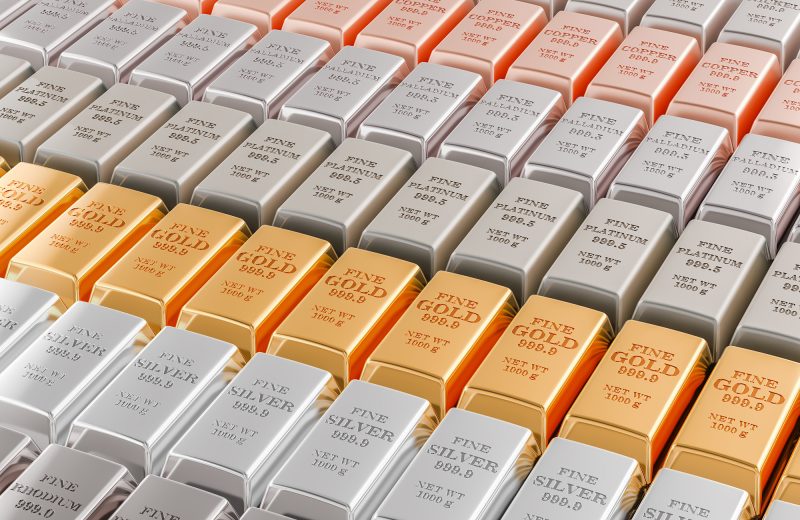
With ongoing market volatility, inflation concerns, geopolitical tensions, and uncertainty around interest rates, many investors are asking the same question:
Should I own gold, silver, or other precious metals in my retirement portfolio?
Precious metals often receive a lot of attention during uncertain economic periods. But before making any decisions, it’s important to understand both the potential benefits and the limitations of using them as part of a retirement strategy.
Let’s break down how precious metals work and where they may — or may not — fit into a well-designed retirement plan.
Why Investors Turn to Precious Metals
Historically, precious metals like gold and silver have been viewed as a hedge against inflation and economic uncertainty.
When markets are volatile or confidence in currencies weakens, investors often look for assets that can hold value over time. Gold in particular has a long history of maintaining purchasing power during periods of high inflation.
Some potential benefits include:
- Inflation protection – Precious metals have historically performed well during high inflation periods.
- Portfolio diversification – They often move differently than stocks and bonds, which can help reduce overall portfolio volatility.
- Tangible value – Many investors like the idea of owning something physical rather than simply holding numbers in an account.
While these factors can make precious metals attractive, they are not without drawbacks.
The Limitations of Precious Metals
One of the biggest misconceptions about precious metals is that they are a guaranteed safe investment. In reality, they come with several important considerations.
They Do Not Produce Income
Unlike dividend-paying stocks, bonds, or income-producing investments, precious metals do not generate cash flow. If you need money in retirement, the only way to access it is by selling the asset.
For retirees relying on portfolio income, this can be an important limitation.
Prices Can Still Be Volatile
Although metals are sometimes considered a “safe haven,” their prices can still fluctuate significantly.
Gold, for example, has experienced long periods where prices remained flat or declined for years before rising again. That means timing and strategy still matter.
Storage and Security
If you purchase physical metals like coins or bars, you must also consider:
- Secure storage
- Insurance
- Potential theft risks
If precious metals are held inside certain retirement accounts, they may need to be stored in approved depositories, which can involve additional costs and administrative requirements.
Different Ways to Invest in Precious Metals
There are several ways investors can gain exposure to precious metals, each with different levels of risk, cost, and complexity.
Physical Metals
This includes purchasing gold or silver coins, bullion, or bars. While it provides direct ownership, it also requires secure storage and eventual conversion back into cash when you want to use the funds.
Exchange-Traded Funds (ETFs)
ETFs are pooled investments that track the performance of precious metals or companies involved in mining them. These investments are generally more liquid and easier to buy and sell than physical metals.
Mining Stocks
Investors can also buy shares of companies that mine gold, silver, or other metals. These investments are influenced by both metal prices and the performance of the individual company.
Each approach has different advantages and risks, which is why it’s important to understand how they fit into your broader strategy.
Avoid Fear-Driven Investing
During times of economic uncertainty, it’s common to see more advertisements encouraging investors to buy gold or silver. However, reacting emotionally to headlines can lead to poor investment decisions.
Instead of making reactive choices, it’s important to view any investment — including precious metals — through a logical, long-term lens.
A thoughtful strategy should consider:
- Your overall portfolio allocation
- Your retirement income needs
- Liquidity considerations
- Your long-term financial goals
How Much Precious Metals Should You Own?
There is no universal answer. Every investor’s situation is different.
However, in many diversified portfolios, precious metals are typically considered a small allocation rather than a primary investment. They may serve as a complement to other holdings rather than replacing core strategies designed for growth or income.
The Bottom Line
Precious metals can play a role in a well-diversified retirement portfolio, particularly as a potential hedge against inflation and market volatility. However, they are generally not intended to serve as a standalone retirement solution. A successful retirement strategy focuses on balance — combining investments that provide growth, stability, and income while managing risk over time.
A successful retirement strategy focuses on balance — combining investments that provide growth, stability, and income while managing risk over time.
Before making any changes to your portfolio, it’s always wise to evaluate how a new investment fits into your overall financial plan.
If you’re wondering whether precious metals belong in your retirement strategy, the best next step is to review your current portfolio and discuss your goals with a financial professional.
A thoughtful plan should consider not only potential opportunities but also the risks, costs, and long-term impact of every investment decision.
If you would like to learn more about how precious metals or other investments may fit into your retirement plan, contact our office to schedule a conversation.